Amazon Echo Hub : Avis complet et test du panneau domotique
Test approfondi de l'Amazon Echo Hub, le panneau de contrôle domotique qui surpasse les Echo Show. Mon verdict après plusieurs mois d'utilisation.
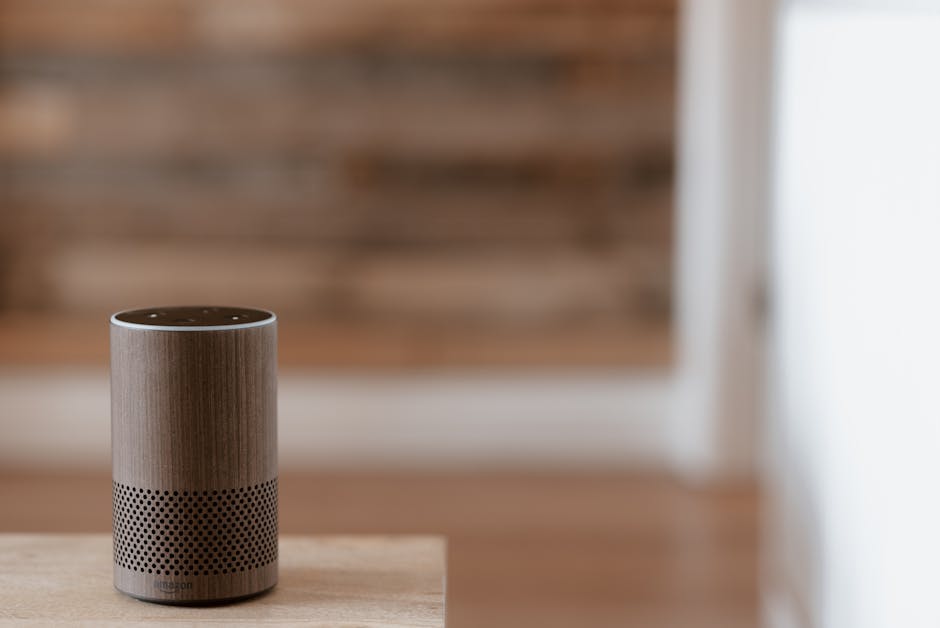
Amazon Echo Hub : Avis complet et test du panneau domotique
Après avoir testé des dizaines d'appareils connectés pour la maison, j'ai finalement trouvé ce que je cherchais depuis longtemps : un écran de contrôle qui ne fait qu'une seule chose, mais qui le fait bien. L'Amazon Echo Hub n'est pas un smart speaker premium ni un lecteur vidéo 4K. C'est un panneau de contrôle domotique dédié, et c'est précisément ce qui fait toute la différence.
Dans cet avis complet, je vous partage mon retour d'expérience après plusieurs mois d'utilisation intensive. Vous thérapeut comprendre pourquoi ce produit d'Amazon pourrait bien résoudre vos frustrations avec les assistants vocaux et les múltiples applications de domotique.
Pourquoi j'ai choisi l'Echo Hub plutôt qu'un Echo Show
J'ai commencé mon parcours dans la domotique avec une maison connectée Apple HomeKit. Comme beaucoup, j'ai ensuite ajouté des appareils Echo pour bénéficier d'Alexa, notamment parce que la compatibilité Amazon reste incomparable. En quelques années, je me suis retrouvé avec quatre Echo Show et quatre autres enceintes Echo.
Le problème ? Chaque Echo Show était censé faire office de centre de contrôle, mais en pratique, ces appareils cumulent des fonctions qui diluent leur utilité principale. Vous voulez regarder YouTube ? Il faut passer par un navigateur. Vous voulez consulter votre calendrier ? L'affichage est décevant. Vous voulez contrôler vos lumières ? C'est toujours une fonctionnalité secondaire, mal的位置née.
La différence fondamentale avec l'Echo Hub, c'est la focus. Amazon a conçu cet appareil pour une seule mission : être le panneau de contrôle de votre maison connectée. Pas de haut-parleur spatial, pas de streaming 4K, pas de publicités en mode veille. Juste une interface tactile qui donne accès à vos appareils, routines et caméras.
C'est exactement ce qui me manquait. J'utilisais mon téléphone pour piloter la domotique, mais avoir un écran mural dédié change complètement la donne. Et non, ce n'est pas la même chose qu'une vieille tablette recyclée : l'Echo Hub est optimisé pour cet usage spécifique.
Prix et disponibilité en France
L'Amazon Echo Hub est commercialisé à 179,99 € sur Amazon France. C'est un investissement qui peut sembler élevé pour un "simple" écran, mais il faut le mettre en perspective : vous avez déjà probablement investi des centaines d'euros dans vosampoules connectées, thermostats et caméras. Disposer d'un panneau central dédié rend toute cette infrastructure beaucoup plus utilisable au quotidien.
Prise en main et installation
Installation murale ou sur socle
L'Echo Hub dispose d'un écran tactile de 8 pouces, suffisamment grand pour être lisible de l'autre côté d'une pièce, mais suffisamment compact pour s'intégrer harmonieusement dans n'importe quel couloir ou cuisine. Deux options d'installation s'offrent à vous :
- Montage mural : mon choix personnel. J'ai toujours voulu un panneau de contrôle domotique fixé au mur, comme dans les films de science-fiction. L'Echo Hub rend cela possible sans bricolage complexe.
- Socle de table : fourni avec l'appareil, idéal si vous préférez le poser sur un plan de travail ou une commode.
L'installation prend littéralement cinq minutes. Branchez l'appareil, l'application Alexa détecte automatiquement l'Echo Hub, et vous pouvez commencer à configurer vos widgets.compared to wall-mounting, tablet placement can be less stable and takes up counter space.
Configuration initiale
During setup, the system asks which Echo device in your home should play music when you request it through the Hub—since it lacks a speaker. This design choice is crucial: the Echo Hub isn't meant to replace your existing Echo speakers, but to complement them. If you're thinking of ditching all your Echo speakers for this panel, think again. Without speakers, you'll need other devices to play music or podcasts.
However, you can mute the microphone so it doesn't constantly listen for the wake word, and you can adjust its volume. The device does respond to "Alexa" commands, even without integrated speakers.
Interface and Widgets: The Organization That Changes Everything
The interface is organized around categories and widgets. On roughly two-thirds of the screen, your widgets are displayed. On the left side, you'll find your routines and rooms. Device categories appear at the bottom. You can customize which widgets appear and download additional ones from the widget store.
At a glance, I can see my most important controls: lights, thermostat, security cameras, and routines. This single-screen overview is the key advantage over digging through multiple phone apps.
Key Widgets Available
Widgets transform how you interact with your smart home. Instead of navigating through multiple menus, key controls are immediately visible. The main widgets include:
- Lighting control: Turn on/off lights across the entire home
- Thermostat: Adjust temperature from one central location
- Security cameras: View live feeds from Ring or other compatible cameras
- Routines: Activate pre-set automation sequences
- Device status: See what's currently active or in use
The widget approach is revolutionary for smart home management. Each widget provides instant access to commonly used functions without requiring multiple taps through app menus.
Daily Performance: What Works and What Falls Short
Over the past few months of testing the Echo Hub daily, I've identified clear strengths and weaknesses in real-world usage.
What Works Well
For most smart home functions, the Echo Hub excels. Adjusting lights, checking thermostat settings, activating routines, and arming or disarming the Ring Alarm system are all fast and intuitive. The interface loads quickly for these basic functions, and voice commands work reliably—about 70% of the time, which is consistent with Alexa's overall performance.
The location-based control is particularly valuable. When heading upstairs at night, I can tap a widget to turn off lights downstairs without searching through my phone. When leaving home, I can arm the security system from one screen. These small conveniences add up significantly over time.
Where It Struggles
The device can become noticeably laggy when accessing security camera feeds. Pulling up multiple camera views simultaneously results in slow loading times and occasional freezing. This is the most significant weakness I've encountered.
Additionally, like all Echo devices, the hardware itself feels somewhat slow and laggy at times. This isn't unique to the Echo Hub, but it's noticeable when you expect instant responsiveness from a dedicated control panel.
Connectivity and Compatibility: An Ecosystem of 100 Million Devices
Supported Protocols
The Echo Hub supports an impressive range of connectivity standards:
- Wi-Fi: Standard wireless connectivity
- Bluetooth: For direct device pairing
- Zigbee: Common smart home protocol
- Matter: The new universal smart home standard
- Thread: Low-power mesh networking
- Sidewalk: Amazon's extended-range protocol
This broad protocol support means the Echo Hub can connect to almost any smart device you might have or want to purchase. Whether it's Philips Hue lights, ecobee thermostats, or Yale locks, compatibility shouldn't be an issue.
The Alexa Ecosystem Advantage
Amazon's smart home network has become one of the largest and most intuitive automation systems available. The system supports over 100 million devices and offers the broadest compatibility I've seen. If a smart home device claims to "work with Alexa," you can trust the setup will be straightforward and control reliable.
The Alexa app connects new devices with minimal effort, allowing you to control devices from different manufacturers in one place. This cross-manufacturer compatibility is crucial as most smart homes accumulate devices from multiple brands over time.
Using the Echo Hub has actually made me rely more on Alexa than my Apple Home app. Despite preferring Apple's ecosystem for other reasons, Alexa's device handling, connection reliability, and routine automation are superior for smart home management.
Limitations and Considerations Before Buying
It's Not a Smart Speaker
You need to understand this clearly: the Echo Hub has no speaker. It cannot play music, podcasts, or news. It's purely a control panel. If you want audio output, you must configure it to play on another Echo device in your home.
This means the Echo Hub complements rather than replaces your existing Echo devices. Budget accordingly if you need audio capabilities.
Privacy Concerns
Like many smart home users, I'm hesitant about fully committing to Alexa and Amazon given privacy and security concerns. Data isn't handled locally—everything goes through Amazon's servers. While companies claim to prioritize consumer privacy, you're ultimately taking them at their word regarding your personal information.
This is a legitimate consideration for French and European users particularly conscious about data protection under RGPD guidelines.
Bugs and Performance Issues
The touchscreen can be slow and buggy, especially when loading multiple camera views. This is the most frustrating aspect of daily use. If you rely heavily on security camera monitoring, this limitation might be significant.
Verdict : l'Echo Hub vaut-il son prix ?
Après plusieurs mois d'utilisation intensive, la réponse est claire : oui, l'Amazon Echo Hub vaut son prix de 179,99 € pour quiconque possède plusieurs appareils connectés.
Ce n'est pas un produit parfait. Les lenteurs avec les flux de caméras de surveillance et l'absence de haut-parleur intégré peuvent frustrer certains utilisateurs. Mais la proposition de valeur est simple et efficace : un panneau de contrôle domotique qui fait exactement ce qu'on lui demande, sans fioritures inutiles.
Si vous en avez assez de jongler entre votre téléphone et vos dizaines d'applications pour piloter votre maison connectée, l'Echo Hub apporte la solution. C'est mon choix quotidien et celui que je recommande à quiconque prend sa domotique au sérieux.
Cet article reflète mon expérience personnelle après plusieurs mois d'utilisation. Les performances peuvent varier selon votre configuration et vos appareils domotiques.